





The strategic, ambitious and cross functional benefits of climate considerations
When the light bulb was invented, it didn’t just illuminate a single room - it sparked a revolution. Its value multiplied as it spread from one household and factory to entire office blocks and cities, transforming how we live and work. Today, we are on the brink of seeing a similar pattern with climate change.
It’s true that climate considerations are increasingly facing fatigue – driven by the intangible nature of climate change and the overuse of ‘net zero’ as a buzzword. However, climate must be embedded across the business: shaping strategy, informing risk and driving innovation. It cannot remain siloed within sustainability teams or compliance checklists, nor be dismissed as merely an environmental concern.
The strategic imperative
Climate change is not just an environmental issue, it’s a systemic change in business and an economic signal. As a result of decades of inaction and failure to heed the warnings of scientists and activists, we will undoubtedly experience an unprecedented scale of climate-induced impacts, both physical and transitional, as the world tries to compensate over time (WMO).
Climate change is becoming increasingly noticeable in Europe, which is now the fastest-warming continent in the world. 2024 was the hottest year on record, both in Europe and globally (Copernicus), as 2 million people across Central Europe were affected by severe flooding in September (World Weather Attribution), followed by fatalities and destruction of homes and businesses due to extensive floods in Valencia, Spain, in October (European Environment Agency). This trend continued into 2025, with wildfires destroying 208,000 hectares of forest in the first six months of the year (Copernicus).
Considering the nexus nature of climate change, with the large networks of ripple effects that each risk and opportunity poses, it is unsurprising that fully one third of companies’ revenue1 is expected to be generated from climate-related products by 2030 (PwC). This highlights why every organisation needs to include climate change considerations in their business strategy, operations and governance frameworks (Climate Governance Hub). In this way, strategic planning must be cross-functional and integrated. Furthermore, comprehensively assessing the interconnected nature of climate change impact should move beyond sustainability teams to include the understanding and expertise of CEOs, CFOs, risk management teams, market analysts and many more specialist roles.
What does this mean for your business?
Reframing climate change as a strategic business imperative – rather than a sustainability silo – can unlock real value across your organisation (C40 Knowledge Hub). Here’s how:
- Sharper forecasting
New products, services and business models can be based on and driven by market predictions and strategic agility enriched by climate scenarios and cross-functional climate thinking.
- Operational efficiency
Climate-conscious decisions can streamline processes and reduce resource waste.
- Cultural resilience
Embedding climate awareness across the organisation fosters adaptability and long-term competitiveness.
- Stakeholders trust
Feasible climate commitments and transparent reporting on progress builds credibility with investors, employees, regulators and customers.
It is important to note that this shift won’t happen in isolation: it requires engaging all departments, from finance to operations, to consider how climate considerations impact their work and how they can contribute to a resilient, opportunity-driven strategy (WEF).
An example of the cross-departmental, complicated nexus structure of company processes can be explored in a deep dive into the chemicals sector.
Taking the next step as an organisation
A structured approach is essential to effectively integrate climate initiatives across departments at all levels of your organisation. While avoiding change might be the easiest path forward in the short term, it puts your company at a disadvantage in the longer term. By not integrating climate considerations across your organisation, you are likely to lack foresight on market trends, falling behind your competition as you aren’t aligned with global trends and regulations. But what steps should your company take to propel your business forward? From minimal changes to full integration, here are some practical next steps:
- Minimum climate considerations
- Better governance structures for climate management
- Actions and value upskilling to obtain key insights
Minimum climate considerations
- Assess climate change risk and opportunities
Conduct an initial assessment to determine the critical risks and opportunities faced by various sites and segments of your business operations. Investigate how different scenarios can influence your costs, such as energy prices. Approximately 80% of companies that report transition risks to CDP only disclose the short-term implications. This may prevent fossil-dependent business models from fully questioning the long-term sustainability of their portfolios (WEF). - Integrate into existing processes
Incorporate climate risks in your enterprise risk management (ERM) framework and strategic approaches. By analysing the evolution of potential risks through your ERM, you are better able to implement mitigation measures when necessary and ensure the risks are adequately managed
Better governance structures for climate management
- Establish a clear climate governance structure
Define a climate governance body to integrate climate considerations into the highest governance layers of your organisation. This structure should possess a solid foundation that supports the business strategy, operating model, financial forecasting and key objectives. It should also allow for stakeholder management, collaboration and strategic/process thinking and have a close connection with the leadership team, empowering it to drive significant changes throughout the organisation. - Develop a climate transition plan
Outline how your organisation will reduce its emissions and adapt to climaterelated risks and opportunities in a climate transition plan. By developing a structured transition plan, your company can define a clear decarbonisation pathway, align financial planning with climate goals and potentially access subsidies and incentives that support low-carbon investments. It’s not just about compliance, it’s about building resilience, staying competitive and preparing for a low-emission future
Actions and value upskilling to obtain key insights
- Comprehensive upskilling on all levels
Implement thorough upskilling programmes tailored to different roles to ensure everyone, from frontline workers to decision makers, is well-versed in climate awareness so they can understand and contribute to climate initiatives. - Design and integrate a robust system
Create a responsive framework, such as a feedback loop, that embeds climate actions into business processes. While it can align with your ERM system, it should go beyond viewing climate solely as a risk. By enabling crossdepartment coordination, real-time insights and agile decision-making, the system makes climate considerations a core part of operations.
The way you react to the magnitude of what is coming will impact how you anticipate and position yourself on the market. This includes understanding whether your assets are vulnerable to storms, floods or heatwaves, being aware of shifting market dynamics and aligning with global trends and local regulations are necessary steps forward.
By choosing to ignore climate considerations, companies won’t be protected from the consequences. While all companies should be aware of the cost of inaction, companies that do not decarbonise in fossil utilities and energy-intensive sectors, such as materials, metals and chemicals, could risk significant cost increases, potentially equivalent to 50% of their EBITDA by 2030 (WEF). There are also potential long-term repercussions of prioritising quick-fix solutions over actions that require significant capital and time.
Knowledge on climate change and its impacts will therefore be key, not only for your climate strategy, but also for your resource allocation and budgeting.
Contact our experts to discuss climate considerations for your company.
Download our latest report

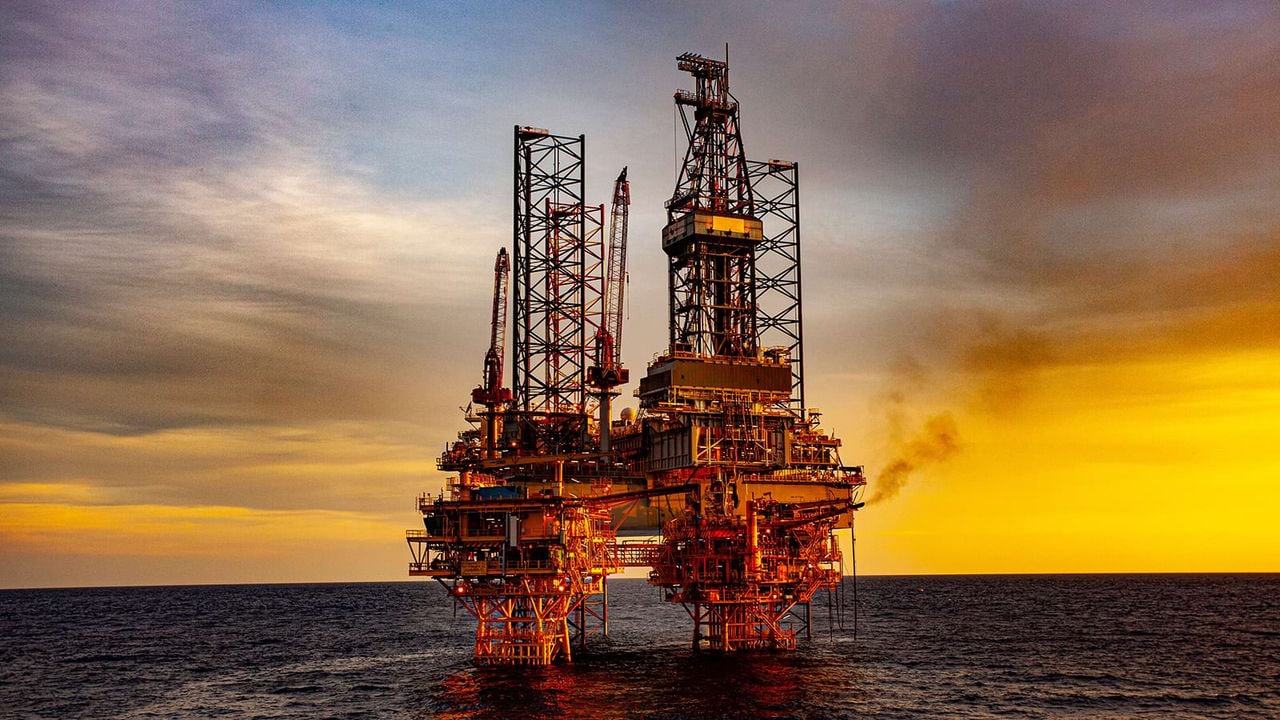
Moving climate change to front of mind including a deepdive of the chemicals sector
22 September 2025
Contact us